Want more LinkedIn connections? Personalize your requests. Personalized LinkedIn connection requests have a 45% acceptance rate, compared to just 15% for generic messages. Why? A tailored message shows you've taken the time to understand the recipient's profile, making it more likely they'll accept and engage with you.
Key Differences:
- Personalized Requests: Mention specifics like mutual connections, recent posts, or shared interests. These messages are concise (under 200 characters) and lead to higher acceptance and reply rates.
- Generic Requests: Use default messages or vague templates. They lack context, feel impersonal, and rarely lead to meaningful connections.
Quick Tips for Better LinkedIn Requests:
- Reference something unique about the recipient (e.g., their work or a recent post).
- Keep messages short and relevant.
- Engage with the recipient's content before sending a request.
- Use tools like Postelix to balance personalization and efficiency.
Bottom Line: A little effort in crafting a personalized message can triple your chances of growing a meaningful LinkedIn network.
Personalized LinkedIn Connection Request or Not? | Donald Kelly
sbb-itb-f8f3793
What Are Personalized LinkedIn Requests?
A personalized LinkedIn connection request is a message crafted specifically for the person you're reaching out to. Instead of sticking with the default "I'd like to add you to my professional network", you take the time to mention something unique about their profile. This could be a recent post they shared, a mutual connection, or an interesting detail about their work. These small, tailored touches can make a big difference, leading to significantly higher acceptance rates.
In fact, personalized requests typically see acceptance rates in the 40–55% range, compared to the much lower 15–20% for generic outreach. Why the big difference? Personalized messages provide a clear, relevant reason to connect, making them more appealing to the recipient.
Key Elements of a Personalized Request
For a LinkedIn request to truly stand out, it needs to include specific details. This could be referencing a recent post, acknowledging a shared connection, congratulating them on a company achievement, or addressing an industry-related topic. And here's an important tip: keep it short. Messages under 200 characters are more likely to be read in full.
Here's an example of a successful template that boasts a 42% acceptance rate:
"Hi [First Name], I noticed we're both connected with [Mutual Connection Name]. I'm working with similar companies in [Industry] on [Specific Challenge]. Would love to connect."
What makes this approach work? It’s specific and focuses on shared context, steering clear of generic phrasing.
Benefits of Sending Personalized Requests
Adding a personal touch to your connection requests doesn’t just increase acceptance rates - it also improves engagement. Personalized notes lead to a reply rate of 9.36%, compared to just 5.44% for requests sent without a message. This opens the door to better conversations, stronger professional relationships, and broader opportunities. Plus, LinkedIn keeps an eye on your acceptance rate, and consistently low numbers can limit your ability to send requests.
Common Challenges With Personalization
The biggest hurdle? Time. Writing thoughtful, specific messages for each person can be a slow process, especially when you're trying to connect with a large number of people. It's tempting to rely on templates that only seem personalized - like simply adding a first name - but this approach often falls flat.
Another challenge is finding enough information to craft a meaningful message. Some LinkedIn profiles are sparse, with limited details or infrequent activity. In these cases, you can still draw on mutual connections or recent company news to create a relevant message. Even a small, genuine detail can make a big difference compared to a generic opener. Despite these obstacles, the effectiveness of personalized requests makes the extra effort worthwhile. Up next, we’ll dive into generic requests to compare the two approaches or explore intent-led LinkedIn growth strategies.
What Are Generic LinkedIn Requests?
A generic LinkedIn request is when someone uses LinkedIn's default connection message or skips adding a message altogether. It’s like handing over a blank business card - there’s no context or personalization.
Common Traits of Generic Requests
These requests lack any explanation, leaving the recipient unsure of your purpose. Considering that 89% of prospects receive over 15 connection requests every week, using a generic message can make it obvious that you’re engaging in mass outreach without much thought.
Why Generic Requests Don't Work
The numbers speak for themselves: generic requests have an acceptance rate of just 15–20%, while personalized ones perform significantly better, with a 40–55% acceptance rate. In a 2026 study, connection requests without any message had an acceptance rate of only 18.9%, compared to 31.7% for those that included a personalized note.
There’s also a risk of LinkedIn penalizing accounts that send too many generic requests, which could limit your ability to connect with others in the future. Even when generic requests are accepted, they rarely lead to meaningful professional relationships. Once you connect, you can start building your authority by finding relevant post angles to engage your new network.
These statistics highlight how much of a difference personalization can make when building connections on LinkedIn.
Personalized vs. Generic Requests: A Direct Comparison

Personalized vs. Generic LinkedIn Requests: Key Stats Compared
Acceptance Rates: Personalized vs. Generic
Let’s break down how personalized and generic requests perform side by side:
| Aspect | Personalized Requests | Generic Requests |
|---|---|---|
| Message Content | Tailored message highlighting recipient's profile or interests | Default or vague templates |
| Acceptance Rate | ~45% | ~15% |
| Reply Rate (post-acceptance) | 9.36% | 5.44% |
| Trust Factor | Builds immediate credibility | Appears impersonal or spam-like |
| Effort Required | Moderate to high | Minimal |
The numbers speak for themselves. Personalized requests achieve an acceptance rate of around 45%, compared to just 15% for generic ones. And the benefits don’t stop there - post-acceptance, personalized messages lead to a 9.36% reply rate, nearly double the 5.44% seen with generic requests.
"If your primary goal is to expand your network, connection requests without a message perform just as well. However, if you aim to initiate conversations or generate leads, always include a short, relevant, and personalized message to significantly boost your chances of receiving a reply." - Yuriy Boyko, Head of Account Management at Belkins
Here’s another key insight: 63% of all acceptances happen within the first 24 hours. This means your initial message has to stand out right away - generic templates simply don’t have the same impact.
How Each Approach Affects Relationship Building
The way you craft your request doesn’t just affect acceptance rates; it can set the tone for your entire professional relationship. Personalized requests lay the groundwork for meaningful connections, while generic ones often fall flat after the initial acceptance.
When you personalize a request, you’re showing the recipient that you’ve taken the time to understand their profile and have a genuine reason for reaching out. This not only builds trust but also creates a more welcoming environment for future conversations.
On the other hand, generic requests often feel impersonal and lack context. Even if accepted, they rarely lead to meaningful exchanges, and any follow-up can come across as cold or disconnected.
The takeaway? Personalization isn’t just about getting your foot in the door - it’s about ensuring that the connection remains active and valuable over time.
How to Send Personalized Requests at Scale
Personalized requests often lead to better engagement and higher acceptance rates. But, let’s be honest - crafting individual messages for dozens of prospects can eat up your time. The key to scaling this process lies in working smarter, not harder.
The trick? Use a framework. Start with an opening line that shows you've done your homework and genuinely care. Then, rely on a consistent yet natural-sounding template for the rest of the message. This approach keeps things personal without burning out your time or energy.
Using Postelix to Personalize Requests at Scale
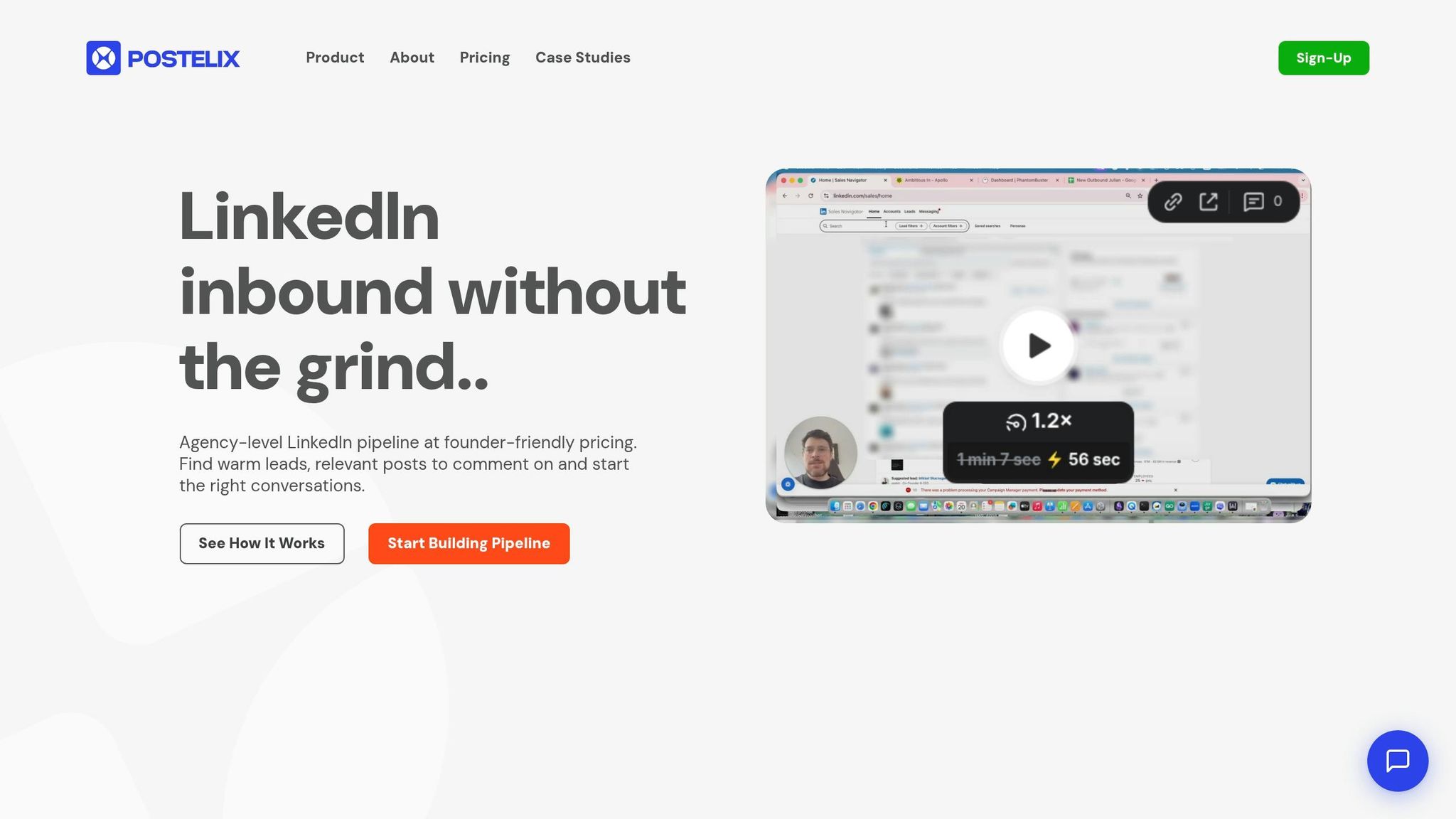
Postelix makes it easier to balance personalization with automation. Its intent-based lead discovery identifies prospects already signaling interest, giving you a solid reason to reach out from the get-go.
The platform’s DM Writer Assistant (included in the Growth plan at $79/month) helps craft messages that sound natural and relevant. It pulls from the prospect’s recent activity while staying true to your unique voice. If you’re ready to take things up a notch, the Pipeline plan ($199/month) offers a 24/7 Hot Lead Agent that finds 25–50 intent leads daily. This ensures your outreach list stays fresh and pre-qualified, making your efforts both efficient and meaningful.
"Postelix helps you find people already showing buying intent, then write comments and posts that sound human, specific, and like you." - Postelix
With tools like these, you can maintain that personal touch while scaling your outreach effectively.
Best Practices for Writing Personalized Requests
Even with automation, the quality of your messages still matters. Here are some simple yet effective habits to boost your results:
- Do your homework. Before writing, check out the recipient’s profile. Look for something specific - like a recent post, a new job, or a mutual connection - that you can mention. A single detail can make all the difference between feeling authentic and coming across as robotic.
- Keep it short. If you’re on a free LinkedIn account, stick to 200 characters (300 for Premium). Short, concise messages are more likely to be read and less likely to feel like a sales pitch. Aim for two sentences: one that shows you know who they are, and one that explains why connecting makes sense.
- Engage first. Before sending a request, interact with their content. Like or comment on one of their posts. This small step can double your acceptance rate by making your name familiar before your message even lands.
- Pace yourself. Stick to 20–25 requests per day to stay within LinkedIn’s guidelines and avoid being flagged as spam. A steady, consistent approach always beats a one-time blitz.
Conclusion: Why Personalization Beats Generic Outreach
Personalized connection requests boast an impressive 45% acceptance rate, compared to just 15% for generic ones. But it's not just about getting accepted - it's about opening doors to meaningful conversations that can lead to real opportunities.
Generic outreach takes a cookie-cutter approach, while personalized outreach shows you've done your homework. That extra bit of effort can be the difference between building a thriving network and watching it stagnate.
As we've seen, personalization is a game-changer for both engagement and connection. Tools that help maintain a personal touch while scaling your efforts can make a huge difference. For example, Postelix is designed to help you identify prospects already showing buying intent and craft messages that feel authentic - not robotic. Whether you're on the Growth plan ($79/month) or the Pipeline plan ($199/month), the focus is the same: smarter, more impactful outreach with less wasted time.
In today’s world, personalization isn’t just a nice-to-have - it’s the foundation for effective LinkedIn networking and the secret to building lasting professional relationships.
FAQs
What should I write if their profile has little info?
If a profile doesn't provide much detail, skip generic or overly complimentary notes - they often come across as insincere and may lower your chances of acceptance. Instead, consider sending a blank connection request and let your profile do the talking. If you decide to include a note, make it specific and authentic. For example, reference a recent company achievement or noteworthy industry update. Tools like Postelix can assist in uncovering these meaningful details.
How can I personalize fast without sounding robotic?
To make your message feel genuine and personal, keep it short - under 200 characters - and conversational. Begin with a warm greeting like Hey [Name], reference something specific about their work (like a recent post or achievement), and wrap up with a casual, low-pressure line such as would love to connect. This keeps the tone friendly, avoids sounding pushy, and leaves a lasting, human touch.
When is it okay to send a generic request?
If you don’t have a specific reason to connect - like a shared context or mutual connection - it’s often better to send a blank request rather than a generic note. Generic messages can come across as impersonal or even spammy. A blank invite, on the other hand, leaves room for natural interpretation, especially if your profile clearly highlights what you bring to the table.